A Message to Parents
Adventure, Imagination, and Japanese Folklore
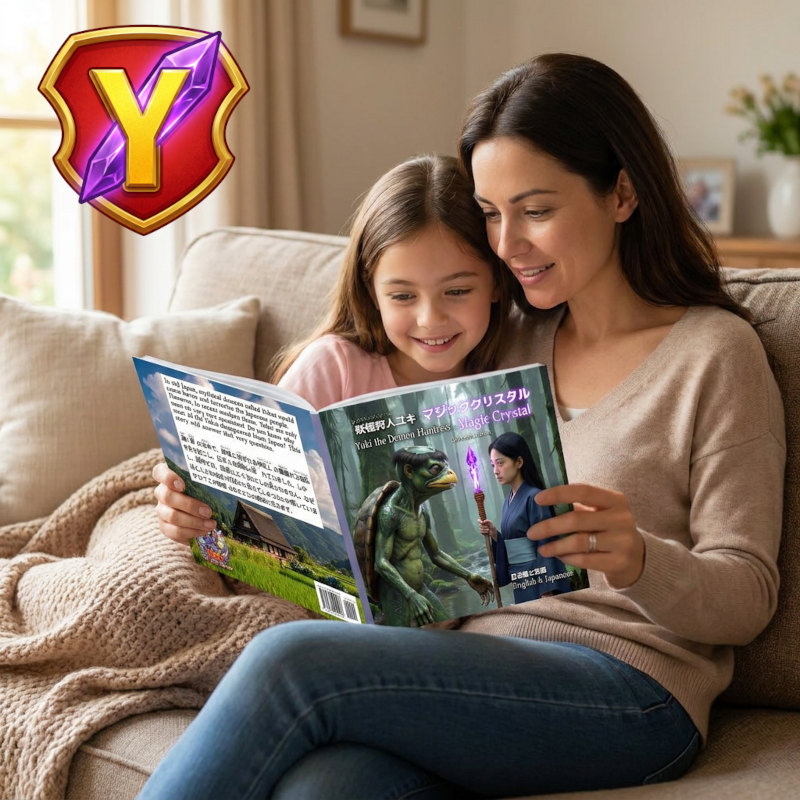
The "Yuki the Demon Huntress" series is intended for a broad audience, particularly readers aged 6 to 17. The adventures are also designed to be enjoyable for parents who want to share a little fantasy, history, and Japanese folklore with their children.
Yuki's world, however, isn't entirely gentle. Her adventures involve Japanese yokai, demons, and other supernatural creatures, and some illustrations depict fighting. The stories are presented in a PG style, without blood or gore, although a few minor scratches may appear.
Children have different levels of sensitivity, and what one child finds exciting may frighten another. For that reason, I encourage parents to decide for themselves whether the books are right for their children.
Why Include Frightening Yokai in Stories for Young Readers?
You might wonder why I didn't make the stories more childish or remove the scarier elements altogether. The answer has a lot to do with the cultural traditions behind Japanese yokai.
For centuries, people throughout the world have used stories to explain mysterious events, make sense of the unknown, and pass important lessons from one generation to the next. Japanese folklore is full of supernatural beings whose stories reflect these traditions.
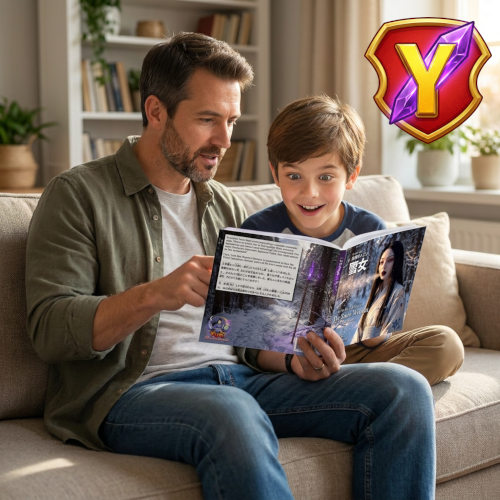
Some yokai legends also served a practical purpose: warning children about real dangers.
Take the Kappa, for example. This well-known creature from Japanese folklore is associated with rivers and water. Stories about Kappa have been used to frighten children away from dangerous waterways. The Aobozu, or Blue Monk, appears in other traditional tales associated with encouraging children to hurry home before it gets too late.
To a child hearing these stories, such creatures could seem genuinely terrifying. But that was sometimes the point. By giving danger a memorable supernatural face, these tales helped communicate warnings that children might otherwise ignore.
This is one of the aspects of Japanese folklore that I want to preserve in "Yuki the Demon Huntress". I believe that removing every frightening element would take away part of what makes these traditional creatures and their stories so interesting.
At the same time, I have toned down the adventures to make them more approachable for younger readers. My aim is to retain the mystery, excitement, and cultural character of Japanese yokai without relying on graphic violence or gore.
Every Child Is Different
Ultimately, you know your child better than anyone else. If you're unsure whether a particular Yuki the Demon Huntress story is suitable, I encourage you to read it first.
You can then decide whether to share the entire adventure, skip a section that might be too frightening, or even adjust a passage when reading it aloud. There's nothing wrong with adapting a story to suit your child's age, interests, and comfort level.
My hope is that these books will do more than entertain. I hope they will spark curiosity about Japanese folklore, introduce readers to fascinating traditional creatures, and give families an opportunity to enjoy an imaginative adventure together.